
Switchback Vet Clinic Culture
Introduction Essentials
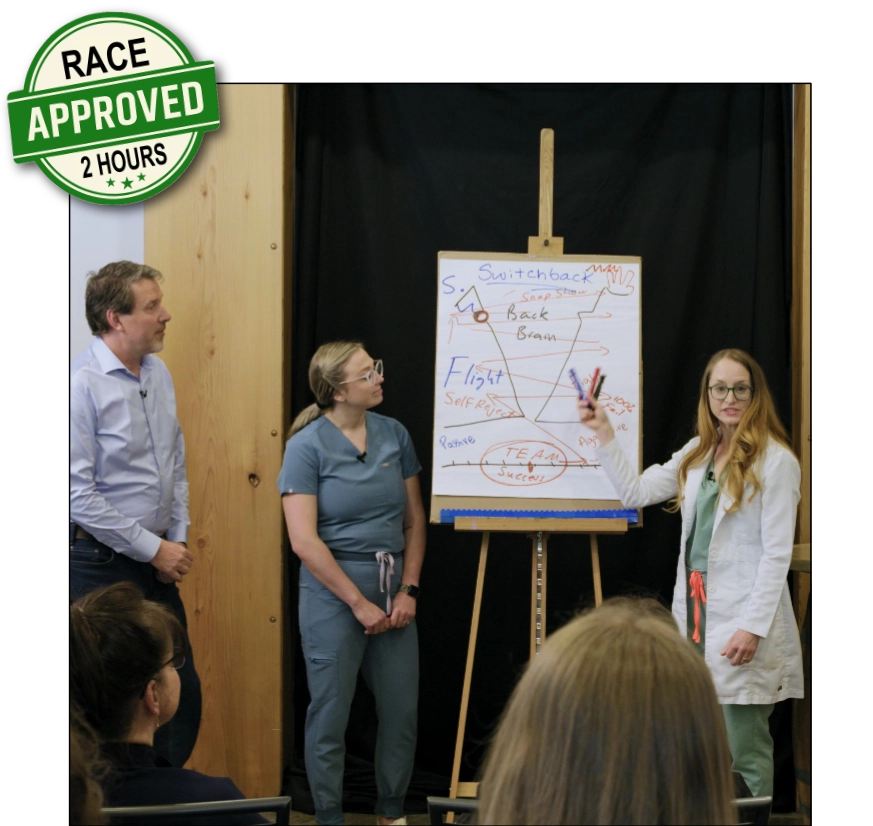
Veterinary clinics are bustling environments where effective communication and strong team dynamics are crucial. The Vet Clinic Culture Introduction online course is designed to provide your practice with some essential tools and strategies to excel. Success in a veterinary practice depends on individuals managing their thoughts and actions effectively, as well as on seamless team communication and collaboration. This introductory training program uses humor, hand-drawn frameworks, storytelling, and engaging theories to make learning practical and enjoyable.
Switchback Vet's online course offers tools to help participants change unproductive habits and improve communication. You’ll gain a basic understanding of your thought processes, team dynamics, and overall organizational culture. The course encourages the use of real-world challenges as case studies for deeper insight and problem-solving. By leveraging human agency, the ability to choose your thoughts, words, and attitude regardless of external circumstances, you'll start building the mental toughness, resilience, and team cohesion necessary for a supportive and effective work environment.
This introductory course sets the foundation for a positive clinic culture, preparing your team for continued development and success and will earn you 2 hours of RACE CE Credits.
The Front Brain
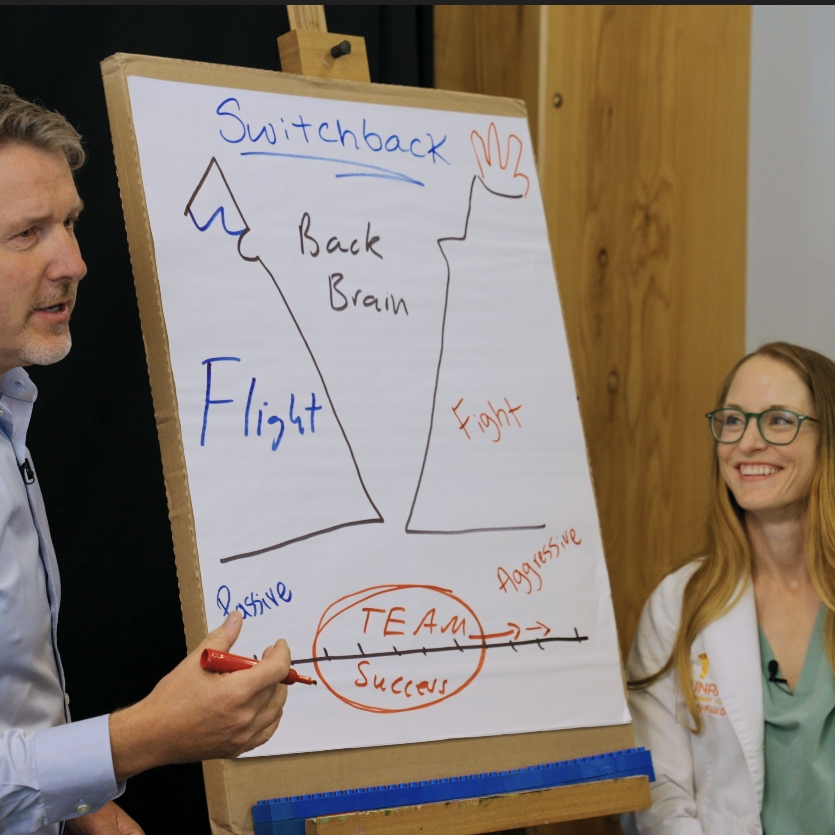
In this module, we’ll dive into keeping your "Front Brain"—the part responsible for rational and creative thinking—engaged, not just for yourself but for the whole team. You'll learn how to spot when someone, whether it’s you or a teammate, is slipping into those reactive modes like being too passive or overly aggressive. We’ll cover how to bring everyone back to a balanced, productive state where clear communication and effective teamwork thrive, even when things get tough. It’s all about making sure the entire team can stay focused and work together smoothly, no matter what’s happening around you.
- Maintaining Rational Thinking: Learn to recognize and maintain front-brain (rational and creative) thinking in stressful situations, promoting effective problem-solving and decision-making.
- Balancing Passive and Aggressive Tendencies: Understand personal tendencies towards passive or aggressive behavior under stress and learn strategies to balance these tendencies for better team interactions.
- Fostering Team Success: Emphasize the importance of teamwork and shared language in maintaining front-brain thinking and creating a supportive, high-functioning clinic environment.
Switchbacking
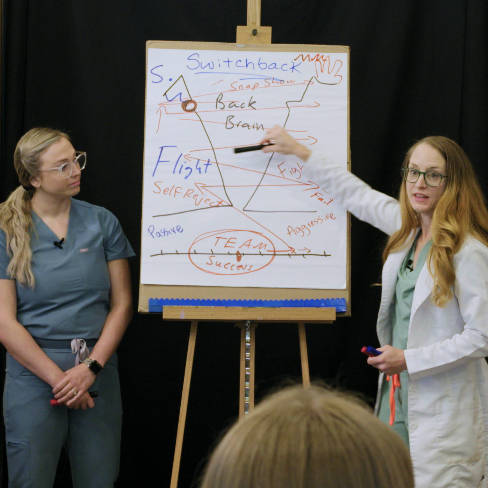
Ever notice how stress can turn clear thinking into chaos? In the Switchbacking module, we’ll uncover the mental shifts that occur when stress pulls us from rational, "Front Brain" thinking into reactive modes. It’s crucial to understand these shifts to keep yourself and your team on track. You’ll learn how to identify when these switches happen and, most importantly, how to guide yourself and your team back to that clear, level-headed space where good decisions are made. This module isn’t just about managing stress; it’s about creating a clinic environment where everyone knows how to handle the pressure together, building a more resilient and supportive team culture.
- Understanding Brain Dynamics: Gain a deep understanding of how the brain switches between front (rational) and back (reactive) states, and the impact of these states on behavior and decision-making.
- Managing Stress Responses: Learn to manage and mitigate stress responses by re-establishing front-brain thinking, reducing irrational reactions and improving professional interactions.
- Building a Resilient Team: Develop skills to collectively manage stress responses within the team, fostering a resilient and supportive clinic culture.
Memory X's
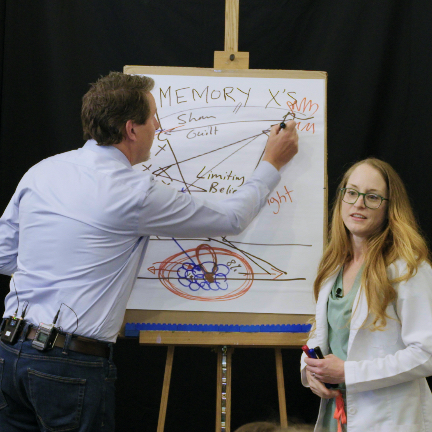
Past experiences can shape the way we react in the present, often in ways we don’t even realize. In the Memory X's module, we’ll dive into how these stored memories, especially the negative ones, influence our behavior and interactions today. You’ll learn how to identify these unresolved issues—what we call "Memory X's"—and explore practical techniques to address them, improving both your personal well-being and your professional relationships. This module also focuses on building a stronger, more empathetic team by understanding and supporting each other’s past experiences, creating a clinic culture where everyone feels understood and supported.
- Recognizing the Impact of Past Experiences: Understand how past experiences and memories, particularly negative ones, are stored in the brain and influence current behavior and reactions.
- Managing Unresolved Issues: Learn techniques to identify and address unresolved issues (Memory X's) to improve well-being and professional interactions.
- Enhancing Team Support: Develop a deeper sense of empathy and support within the team by recognizing and addressing each other's past experiences that may affect present behavior.
The 6 Profiles

Every team is made up of individuals who cope with stress and challenges in different ways. In the Six Profiles module, you’ll learn to recognize these diverse coping methods by identifying six distinct profiles that can emerge within your team. Understanding these profiles is key to improving communication and collaboration in the clinic. We’ll also dive into management techniques that help bring everyone together, adjusting clinic dynamics to enhance efficiency. By the end of this module, you’ll be equipped with strategies to resolve conflicts more effectively, creating a more harmonious and cohesive work environment.
- Understanding and Mitigating Diverse Coping Methods: Participants will learn to recognize and understand six different profiles within their team, helping to foster better communication and collaboration.
- Tailored Management Techniques: Vets and staff will gain insights on how to draw each other into TEAM adjusting the clinic dynamics and efficiency.
- Improved Conflict Resolution: Equip teams with strategies to resolve conflicts effectively by leveraging an understanding of various profile traits, leading to a more harmonious work environment.
Hypervigilance
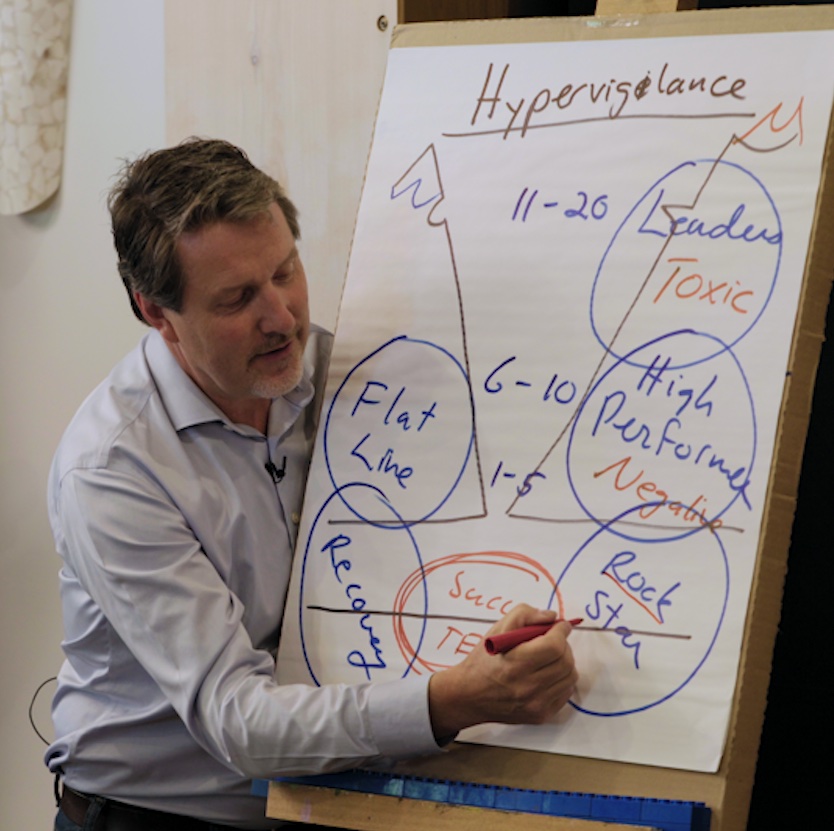
Veterinary medicine is a high-stress career that often demands everything you've got, but that constant drive can lead to prolonged stress and adrenaline buildup. This module is about recognizing the toll that intensity takes and learning how to manage it effectively. We’ll explore the importance of balancing those all-out, "rockstar" work periods with the necessary recovery time to keep both your personal and professional well-being intact. You’ll also gain practical techniques to prevent burnout, ensuring that you maintain healthy work habits and contribute to a supportive clinic environment that sustains everyone.
- Managing High-Stress Careers: Understand the impact of prolonged stress and adrenaline buildup in high-stress careers like veterinary medicine and learn strategies to manage it.
- Balancing Work and Recovery: Learn the importance of balancing intense work periods (rockstar mode) with adequate recovery time to maintain personal and professional well-being.
- Preventing Burnout: Gain techniques to prevent and address burnout by establishing healthy work habits and fostering a supportive clinic environment.
Everyone Else
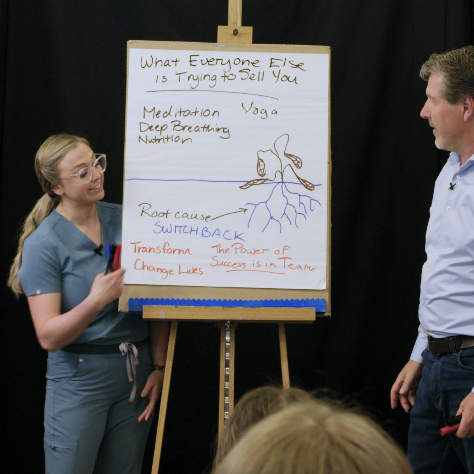
Compassion fatigue and burnout are more than just buzzwords—they're real challenges that many veterinary professionals face. This module focuses on going beyond just coping with these issues to identifying and addressing their root causes. By understanding the deeper factors at play, you’ll learn how to use Switchback techniques to transform your clinic culture, making it more supportive and effective for everyone involved. We'll also explore the concept of neuroplasticity, showing you how the brain can be rewired to foster healthier, more productive behaviors and interactions, ultimately leading to a more resilient and thriving clinic environment.
- Identifying Root Causes: Learn to identify and address the root causes of compassion fatigue, burnout, and other stress-related issues rather than just coping with symptoms.
- Transforming Clinic Culture: Understand how to use Switchback techniques to transform clinic culture, creating a more supportive and effective work environment.
- Promoting Neuroplasticity: Gain insights into how neuroplasticity allows for the rewiring of the brain to establish healthier, more productive behaviors and interactions.